


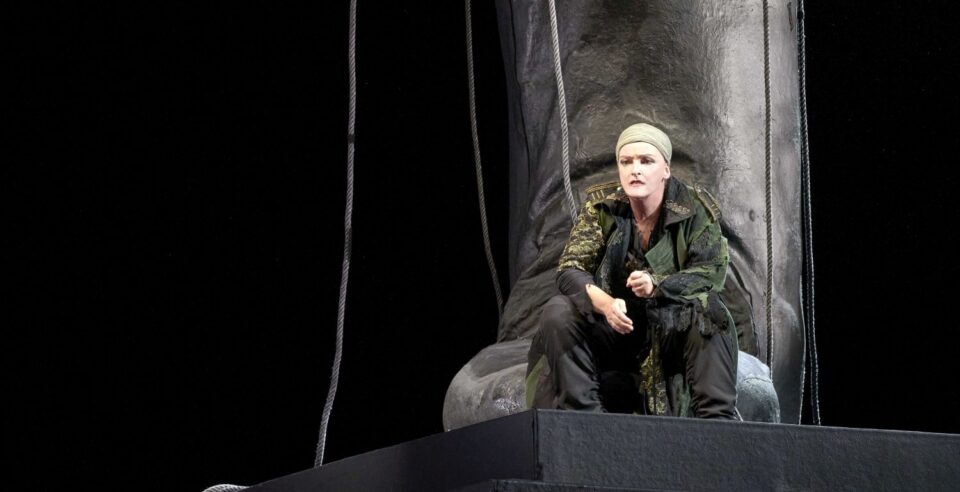
Elektra at Deutsche Oper Berlin
Ricarda Merbeth sings the title role in Richard Strauss’s Elektra at Deutsche Oper Berlin on 6, 14 and 17 November 2026. The production is directed by Kirsten…
Read more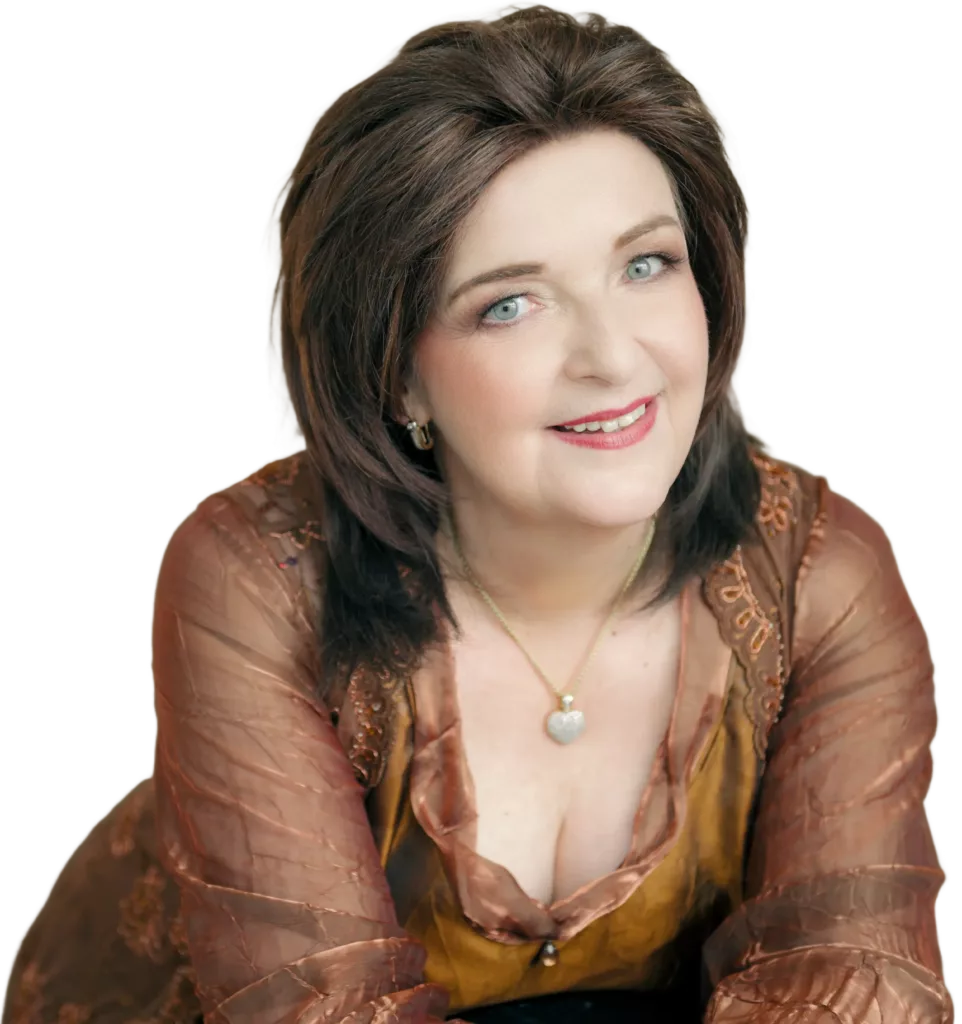
Ricarda Merbeth ranks among the leading singers of our time. Since the beginning of the 2000s, the German soprano has appeared at the world’s foremost opera houses, festivals and concert halls. Beginning with Mozart and the lyrical roles of Wagner and Strauss, she has carefully developed her repertoire over many years to encompass the great dramatic roles of her Fach. Today, she is regarded as one of the foremost interpreters of roles such as Elektra and Brünnhilde; more recently, she has also added Ortrud and Kundry to her repertoire.
Ricarda Merbeth opened the 2026/27 season with another role debut, appearing as the Foreign Princess in Rusalka at the Théâtre du Capitole in Toulouse. Later in the season, she returns to Deutsche Oper Berlin as Elektra and sings Ortrud in Lohengrin in Valencia. Concert engagements take her to Turin, Helsinki and Würzburg, while at the Maggio Musicale Fiorentino she once again appears in the title role of Elektra.
After studying at the University of Music and Theatre “Felix Mendelssohn Bartholdy” in Leipzig, Ricarda Merbeth began her career at the theatres in Magdeburg and Weimar. In 1999, she made her debut at the Vienna State Opera as Marzelline in Fidelio and remained a member of its ensemble until 2005. During this period, she built up an exceptionally varied repertoire ranging from the Countess, Donna Anna, Pamina and Fiordiligi to Chrysothemis, Elisabeth, Eva, Irene, Elsa, the Marschallin and Sieglinde.
Her international breakthrough came in 2004 with the title role in a new production of Richard Strauss’s Daphne at the Vienna State Opera. She has maintained a close relationship with the company ever since and continues to return as a regular guest. In 2001, she received the Eberhard Waechter Medal, and in 2010, the then Director of the Vienna State Opera, Ioan Holender, awarded her the honorary title of Austrian Kammersängerin.
The Bayreuth Festival has played a particularly important role in her career. She made her festival debut in 2000 as Freia and Gutrune in Jürgen Flimm’s production of Der Ring des Nibelungen. From 2002 to 2005 and again in 2007, she appeared as Elisabeth in Tannhäuser, while from 2013 to 2018, she sang Senta in Der fliegende Holländer.
Since becoming a freelance artist in 2006, Ricarda Merbeth has appeared at leading opera houses including the Staatsoper Unter den Linden and Deutsche Oper Berlin, Bavarian State Opera, Hamburg State Opera, Vienna State Opera, Teatro alla Scala, Opéra national de Paris, Teatro Real Madrid, Gran Teatre del Liceu in Barcelona, Dutch National Opera, New National Theatre Tokyo, and the opera houses of Zurich, Stockholm, Helsinki, Toulouse and Marseille, as well as the Sydney Opera House and Vienna’s Musikverein.
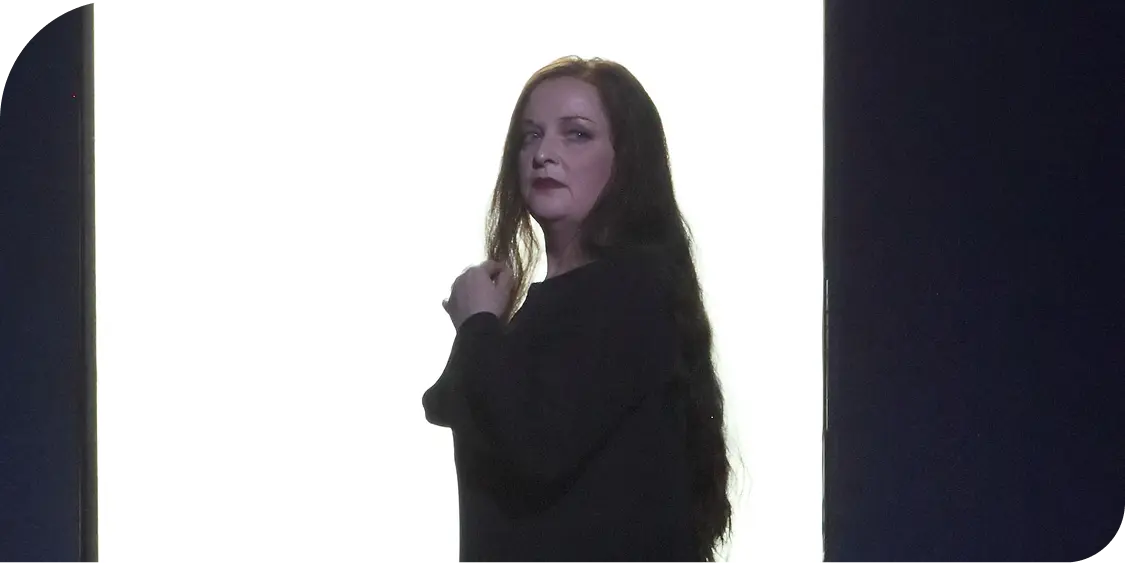

Among the defining engagements since 2016 have been her role debuts as Isolde at the Hamburg State Opera, Turandot and Brünnhilde in Siegfried at Deutsche Oper Berlin, and her title role debut as Elektra in Patrice Chéreau’s acclaimed production at Teatro alla Scala. She subsequently returned to La Scala in the title role of Die ägyptische Helena. Further major appearances have included Brünnhilde in Madrid, Senta and Elektra at the Staatsoper Unter den Linden, Elektra at the Vienna State Opera, Ortrud in Bologna, Isolde in Valencia, and complete Ring cycles at the Semperoper Dresden and the Vienna State Opera.
Recently, she returned to the Hamburg State Opera and appeared at the Baltic Opera Festival as Senta. Further highlights have included Turandot at the Spring Festival in Tokyo, Elektra and Salome at the Teatro di San Carlo in Naples, Elektra at the Finnish National Opera and Salome at the Teatro Colón in Buenos Aires. In Toulouse, she made her staged role debut as the Dyer’s Wife in Die Frau ohne Schatten, followed by her first staged Kundry in Parsifal at the Tiroler Festspiele Erl. She has also appeared as Brünnhilde in Deutsche Oper Berlin’s Ring cycle.
Ricarda Merbeth is equally in demand on the concert platform. Her repertoire includes Wagner’s Wesendonck Lieder, Britten’s War Requiem, Beethoven’s Missa solemnis, Szymanowski’s Stabat Mater, Janáček’s Glagolitic Mass, Strauss’s Four Last Songs and Brentano Lieder, and Mahler’s Symphony No. 8. Recent concert highlights have included Schoenberg’s Gurre-Lieder at the Sydney Opera House and Mahler’s Symphony No. 8 with the Staatskapelle Dresden.
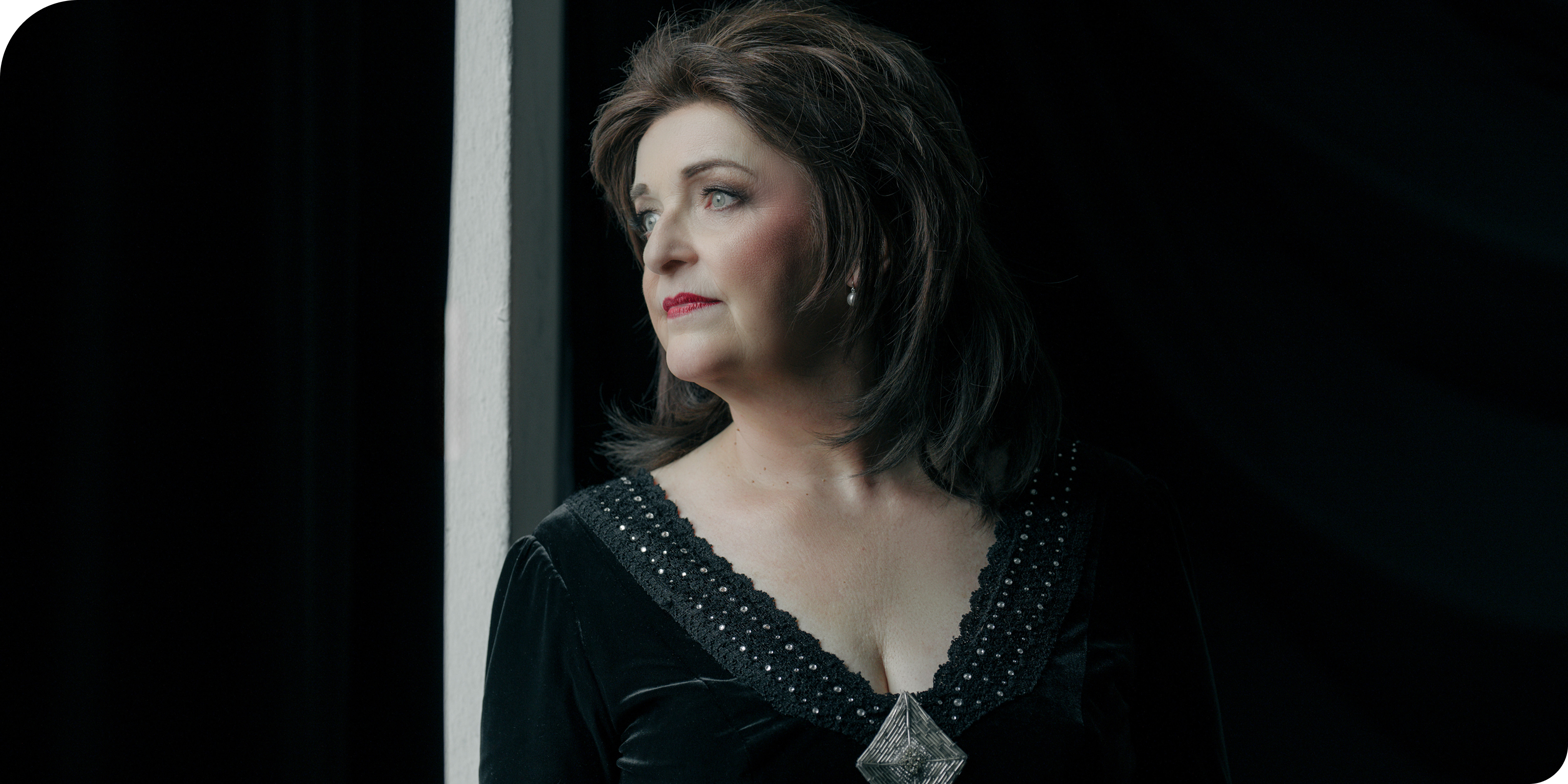
Ricarda Merbeth has worked with conductors including Daniel Barenboim, Pierre Boulez, Semyon Bychkov, Riccardo Chailly, Myung-whun Chung, Christoph von Dohnányi, Daniele Gatti, Edward Gardner, Pietari Inkinen, Marek Janowski, Mariss Jansons, Philippe Jordan, Fabio Luisi, Ingo Metzmacher, Kent Nagano, Yannick Nézet-Séguin, Seiji Ozawa, Kirill Petrenko, Donald Runnicles, Christian Thielemann, Franz Welser-Möst and Simone Young.
Directors with whom she has collaborated include Daniele Abbado, Philippe Arlaud, Sven-Eric Bechtolf, Calixto Bieito, Nicolas Brieger, Robert Carsen, Jürgen Flimm, Kasper Holten, Nicolas Joël, Günter Krämer, Marco Arturo Marelli, Mario Martone, Àlex Ollé, Otto Schenk, Katharina Wagner and Krzysztof Warlikowski.
The release of Ricarda Merbeth’s CD with “Vier letzte Lieder” as well as the “Brentano-Lieder” by Richard Strauss, recorded with the Staatskapelle Weimar under Michael Halász (released by NAXOS) received a great international response.
CD:
DVD:
Books:
Ricarda Merbeth was honoured for her artistic achievements with the following awards:
For the press, the biography of Ricarda Merbeth is available for download as a text file in the
Vita Download
Ricarda Merbeth sings the title role in Richard Strauss’s Elektra at Deutsche Oper Berlin on 6, 14 and 17 November 2026. The production is directed by Kirsten…
Read more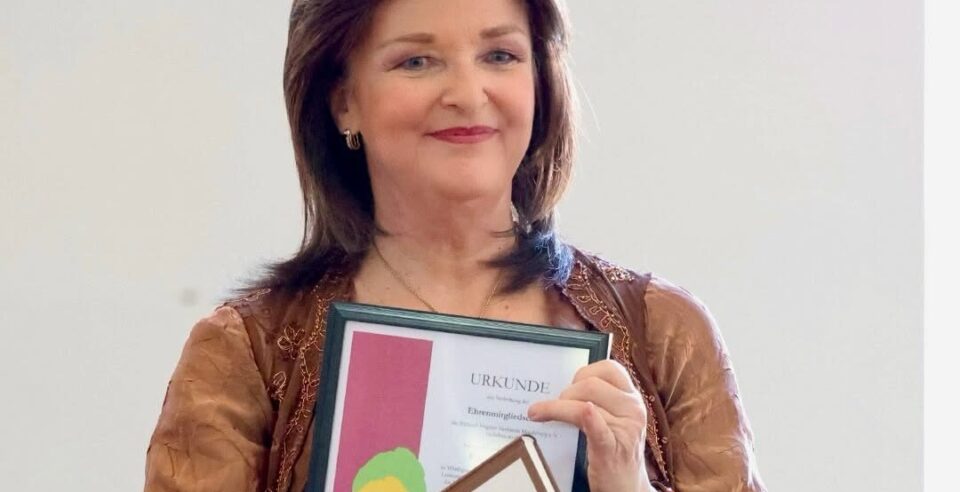
On 11 October, Ricarda Merbeth was named an honorary member of the Richard Wagner Association Magdeburg at a ceremony at the Magdeburg Opera House. The occasion brought…
Read more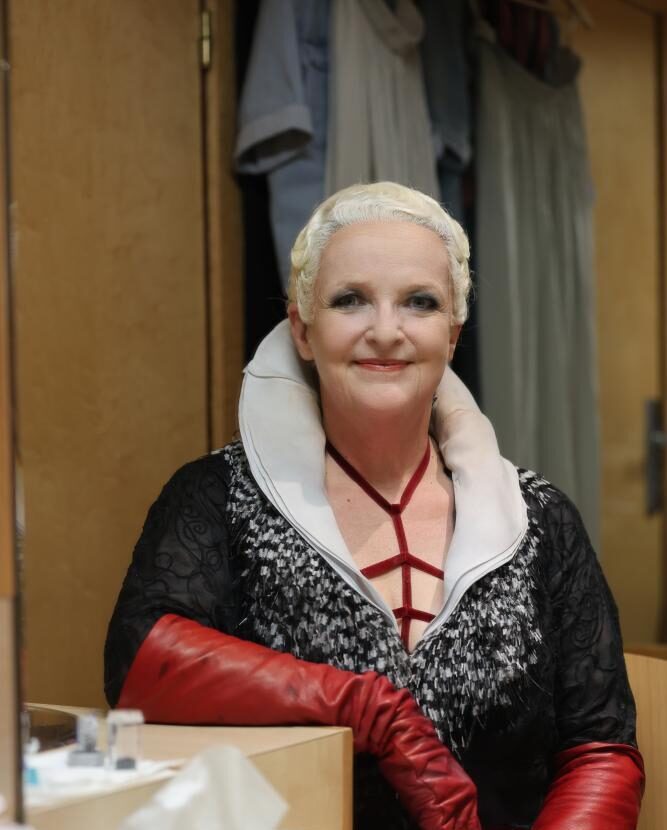
Ricarda Merbeth launches her 2026/27 season on September 22 at the Opéra national du Capitole in Toulouse, making her role debut as the Foreign Princess in Stefano…
Read more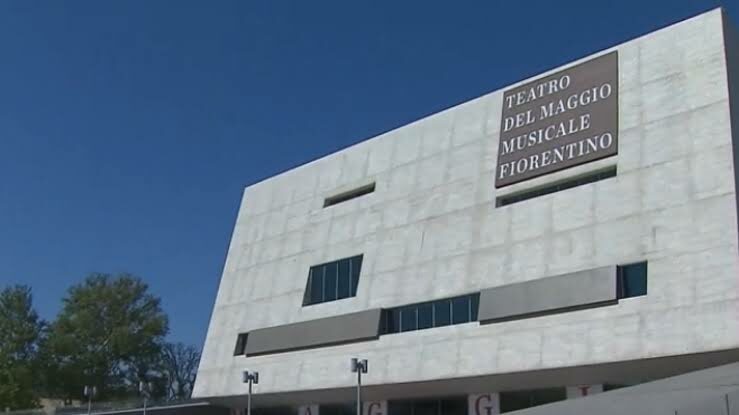
Maggio Musicale Fiorentino has announced its 2027 festival season, including a new production of Richard Strauss’ Elektra with Ricarda Merbeth in the title role. The third opera…
Read more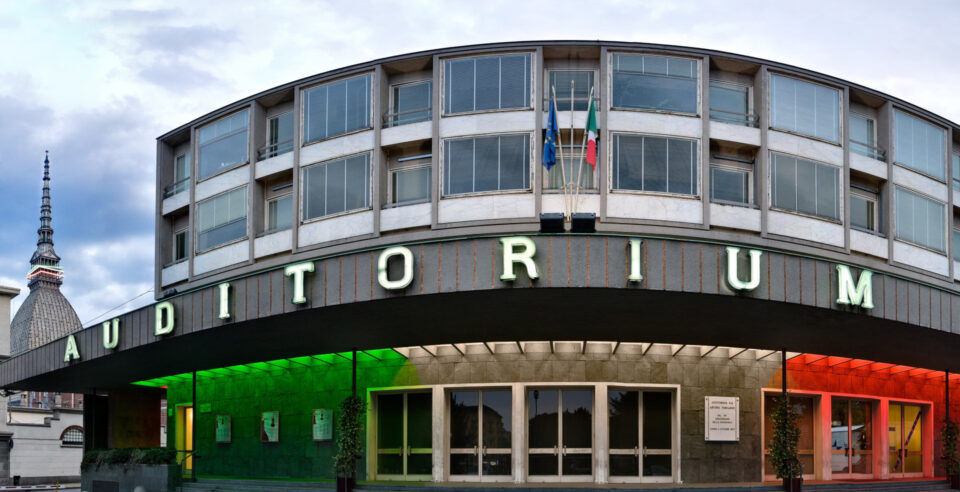
The Orchestra Rai has announced its 2026/27 season, featuring Ricarda Merbeth in two concerts dedicated to the music of Richard Wagner. On 14 and 15 January 2027,…
Read more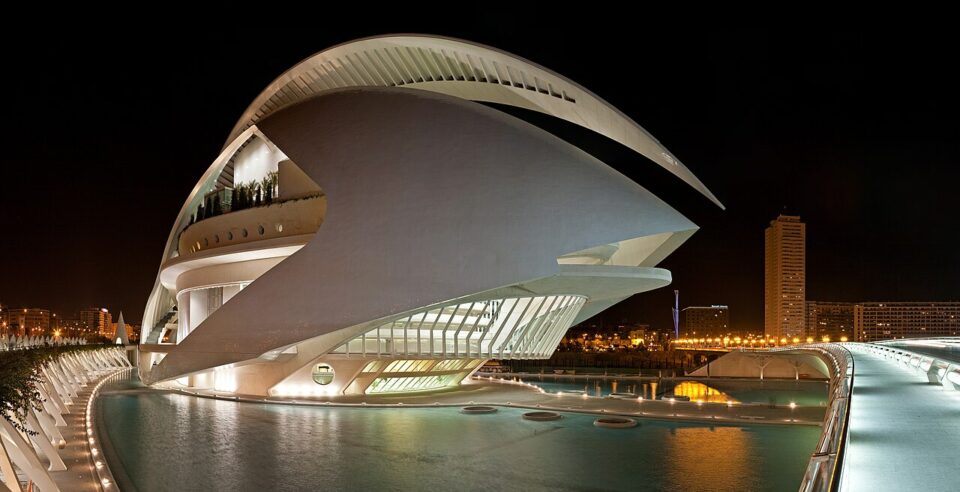
In December 2026, Ricarda Merbeth returns to Palau de les Arts Reina Sofía in Valencia as Ortrud in Richard Wagner’s Lohengrin. One of Wagner’s most fascinating female…
Read more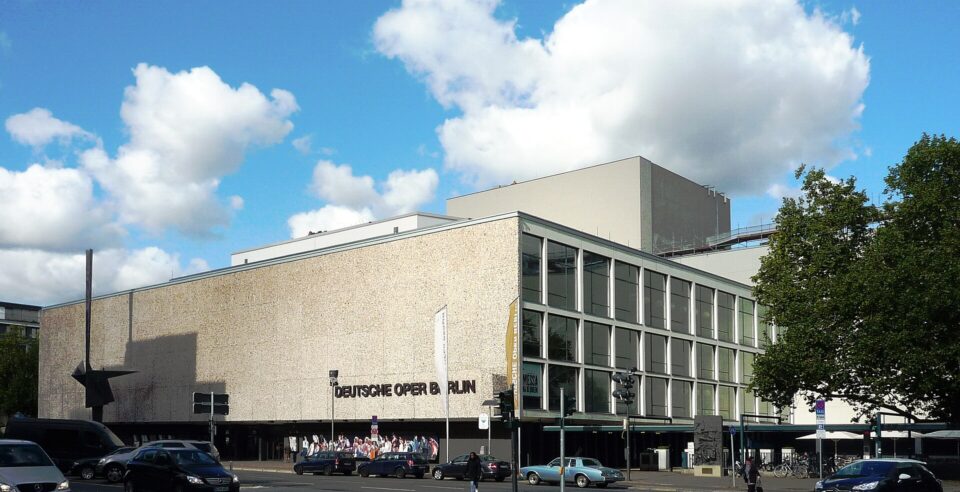
The Deutsche Oper Berlin has announced its 2026/27 season: In November, three performances of Elektra, in a production by Kirsten Harms, are scheduled, with Ricarda Merbeth in…
Read more
Richard Strauss will take centre stage in two upcoming concerts with Ricarda Merbeth of the 2026/27 season. On 19 January 2027, Ricarda Merbeth appears at Musiikkitalo in…
Read more